
The Art of Modern Minimalist Living Spaces
 Saugat Sigdel
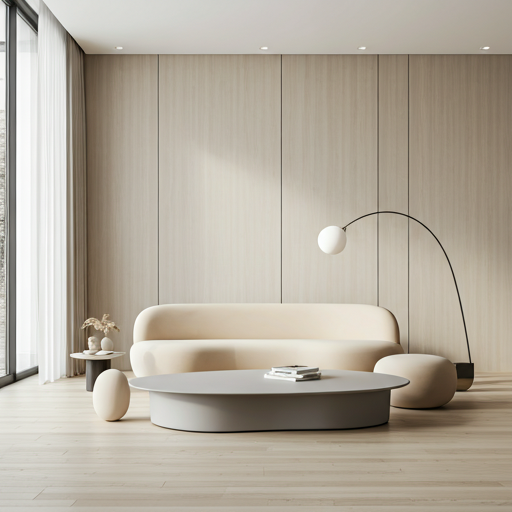
Creating a minimalist home isn't just about getting rid of things; it's about intentional living. It's the careful curation of space, light, and objects to create an environment that fosters peace and clarity.
In today's fast-paced world, our homes need to be sanctuaries. The modern minimalist approach championed by top designers focuses on functionality without sacrificing warmth. By utilizing a restrained color palette, natural materials, and an abundance of natural light, spaces are transformed into calming retreats.
The Role of Natural Materials
Incorporating materials like raw wood, stone, and linen adds necessary texture to a minimalist space. These elements bring a sense of grounding and connect the interior to the natural world outside. When the visual noise is reduced, the quality of these materials becomes the focal point.
"Minimalism is not a lack of something. It's simply the perfect amount of something.
Lighting as a Design Element
Lighting is arguably the most crucial component in minimalist design. Rather than relying heavily on decorative fixtures, the architecture itself should invite light. Expansive windows, strategically placed skylights, and ambient recessed lighting work together to create layers of illumination that change the mood throughout the day.